How Parents Can Help Their Child Get Recruited for College Sports
14 Jul 2025
·
2 min read
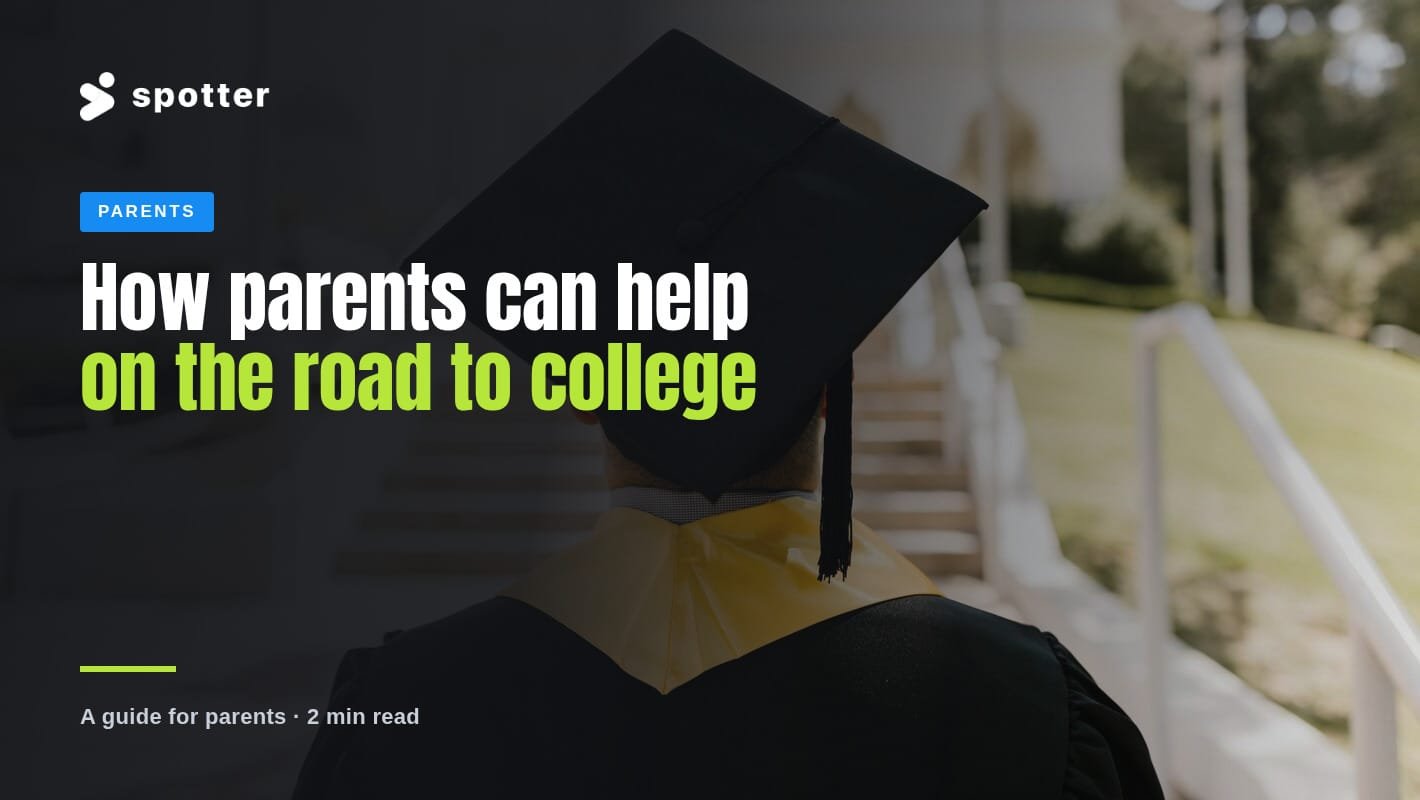
A Practical Guide for International Families Supporting Young Athletes
If your child dreams of playing and studying in the United States, your support may matter more than you realize.
For many international athletes, this journey starts early, sometimes even before high school. Your child will need your support, but that does not mean you need to run the process for them. The most helpful role you can play is to support their independence while making sure they know you are there when needed.
Why coaches pay attention to parents too
Coaches do not look only at highlight videos, statistics, and athletic ability. They also want to understand what kind of teammate, student, and person your child will be. Family dynamics often shape that impression.
Even highly talented athletes can lose opportunities if parents appear too controlling. Coaches notice how you speak to your child, how much space you give them, and how you communicate during the recruiting process.
What coaches appreciate and what they see as a warning sign
| Coaches appreciate | Warning signs |
|---|---|
| Letting your child speak first | Speaking on your child’s behalf |
| Asking practical questions about housing, safety, or finances | Dominating the conversation or focusing too heavily on money |
| Respectful behavior on the sidelines | Coaching from the stands or arguing with referees |
| Trusting the process | Contacting coaches before your child does |
When is it appropriate to step in
Support does not mean control. In most cases, your child should lead communication with coaches while you support them in the background.
- Help review or draft emails, but let your child send them
- Follow activity through Spotter, but allow your child to respond first
- Step in when the conversation involves finances, safety, travel, visas, or major decisions
Common mistakes parents make
Even with the best intentions, parents can unintentionally make the process more difficult. These are some of the most common mistakes:
- Starting too late
- Relying only on talent instead of also focusing on work habits and academics
- Focusing only on well-known schools and famous programs
- Speaking for your child, which can suggest they are not ready to take responsibility
- Focusing only on sport instead of also paying attention to character, maturity, and communication
Coaches want more than a good athlete
Strong athletic ability matters, but coaches also look for maturity, responsibility, and the ability to fit into a team and campus environment.
- Ability to solve problems independently
- Accountability for school and sport responsibilities
- Ability to balance academics and athletics
- Clear, respectful, and mature communication
For families outside the U.S., the process can feel even more complicated
NCAA rules, recruiting timelines, communication rules, and eligibility requirements can feel difficult to understand, especially if you are navigating a different education system from abroad.
- Start early and stay organized
- Ask questions when something is unclear
- Learn the system through Spotter’s Recruitment Basics
- Lean on people who have already been through the process
Final thought: stay close, but let your child lead
You do not need to be perfect. You only need to be present, informed, and supportive in the right way.
Start early, ask questions, and let your child take the first important steps. What matters most is that they know you are there to support them throughout the journey.
Related Posts

Athletes
From Serbia to the NCAA: How You Can Get Recruited to Play College Basketball in the U.S.
Learn how Spotter helps talented players from Serbia get seen by real college coaches in the U.S. without agents or hidden fees.
Recruitment 101
Confused About U.S. College Sports Divisions? A Must-Read for International Athletes
Learn the differences between NCAA Division I, II, III, NAIA, and junior colleges, and find which path best fits your athletic level, academic goals, and scholarship options.

Recruitment 101
Types of Athletic Scholarships in U.S. College Sports (2026)
Scholarship rules changed in 2025 and 2026. See which types of athletic scholarships exist now, what each one covers and what to ask a coach before you sign.
