How International Athletes Can Set the Right Goals for U.S. College Sports Recruitment
12 Sep 2024
·
4 min read
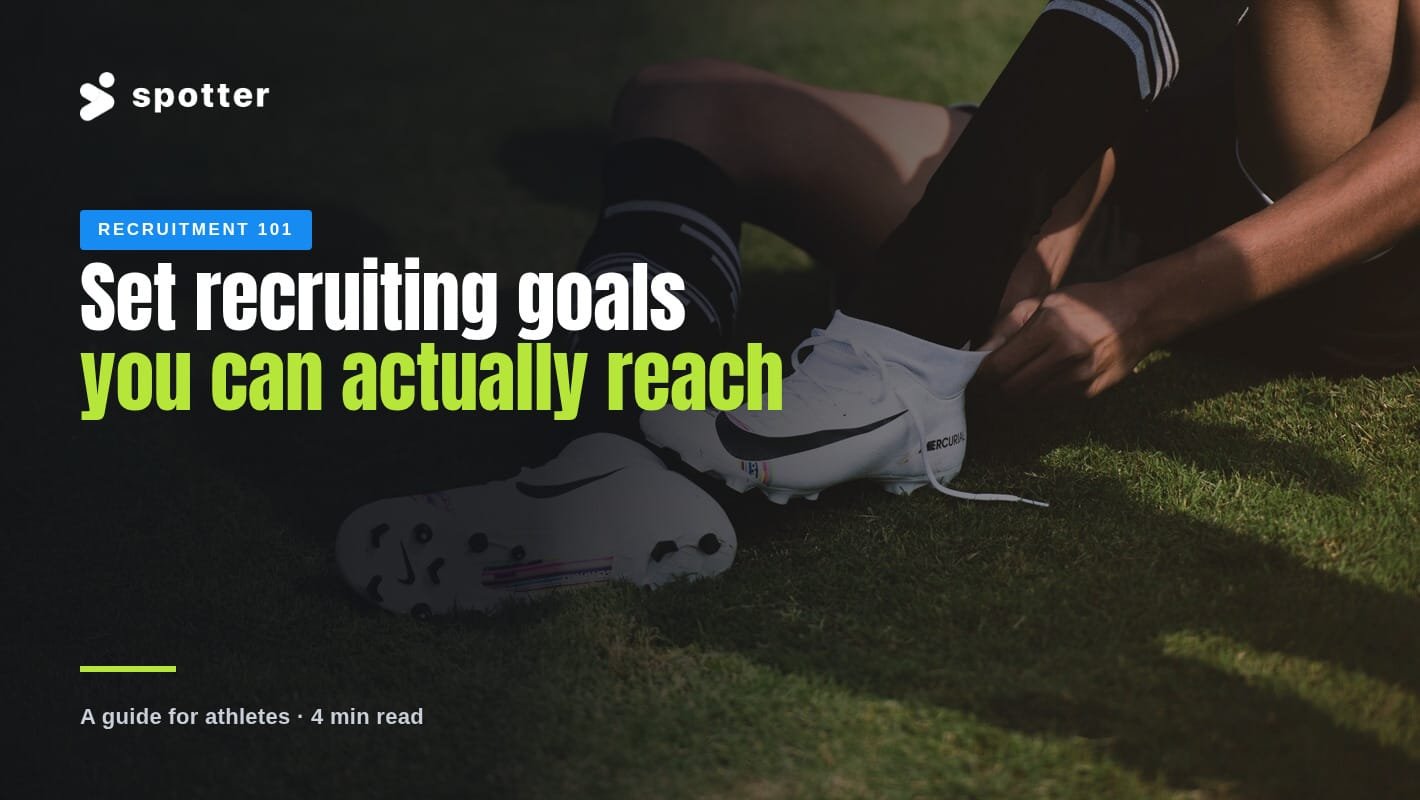
For international student-athletes, the path to college sports in the United States can be exciting and demanding at the same time.
Many athletes dream about competing at a high level, studying at strong universities, and earning scholarships. The first step is not sending emails or attending showcases. It is setting the right goals and understanding where you stand.
This guide explains how international athletes can assess their level, understand their options, and build a realistic plan for the recruiting process.
1. Decide whether college sports are the right fit
Before starting the recruiting process, take an honest look at what college sports require. The life of a college athlete is very different from high school or club sports. Training demands are higher, schedules are tighter, and academic responsibilities continue throughout the season.
For international athletes, the adjustment is even bigger. You are not only adapting to a new sports environment. You are also adapting to a new country, language, culture, and academic system.
Ask yourself whether you are ready for that level of commitment. Are you prepared to give serious time and energy to both your sport and your studies? Can you handle physical pressure, competition, and change? That self-assessment is the right place to start.
2. Understand what level fits your current ability
Not every athlete is suited for the same level of college sports. In the U.S., opportunities exist across NCAA Division I, II, and III, as well as NAIA and NJCAA programs. Each level has different expectations when it comes to athletic ability, competition, scholarships, and academics.
A good starting point is to study team rosters from schools that interest you. Look at the size, athletic profile, results, and experience of the players currently on those teams. Compare that level to your own.
If possible, watch games online or in person. That will help you understand the speed of play, physicality, and overall level of competition. For many international athletes, this step gives much clearer insight than simply reading division names.
3. Ask for honest feedback from people who know your game
Your coaches, trainers, and mentors can be a major source of clarity. They have seen your strengths, your habits, and the areas where you still need to improve.
Ask them direct questions. What level do they believe you can compete at today? What are your strongest qualities? What needs to improve for you to become a realistic recruit for higher-level programs?
For some athletes, an outside evaluation can also help. A neutral perspective from a knowledgeable coach or recruiting advisor can help you set smarter targets and avoid wasting time on schools that are not the right fit.
4. Build a balanced target school list
Once you understand your current level, start building your school list. A strong list should include three groups of schools:
Reach schools, where the level is ambitious and would require you to prove yourself strongly.
Fit schools, where your current level matches the team and the program well.
Safety schools, where you are likely to have a realistic chance of joining the team and studying successfully.
Athletic fit matters, but it is not the only factor. Look at academic programs, campus size, location, support for international students, and the type of environment where you are most likely to do well.
5. Take academics seriously from the start
Athletic ability matters, but coaches also pay close attention to academics. A student-athlete must be able to get admitted, stay eligible, and handle the workload of college courses.
For international students, this also means making sure school records, grades, and required documents can be understood and evaluated within the U.S. system.
A strong academic record gives you more options. It can also improve your chances of receiving academic aid in addition to athletic support.
6. Learn from athletes who already went through the process
One of the best ways to prepare is to speak with current or former college athletes. They can tell you what the process looked like, what mistakes to avoid, and what they wish they had known earlier.
Ask practical questions. How did they communicate with coaches? What mattered most in their recruiting profile? How did they balance sports and academics after arriving in the U.S.?
Their answers can help you build more realistic expectations and prepare better for what comes next.
7. Build a strong profile with video and key information
For international athletes, your profile often speaks before you do. College coaches may not have the chance to watch you live, which means your video, statistics, and presentation matter a lot.
Your profile should include a clear highlight video, relevant stats, awards, competition history, and academic information. The goal is to help a coach quickly understand what kind of player you are and whether you could fit their program.
Work with your coach or someone experienced to make sure your video is clear, organized, and focused on your strengths.
8. Use showcases and camps in a smart way
Showcases and recruiting camps can help you get noticed, but they work best when they are part of a larger strategy. Coaches often attend these events with a list of players they already know or want to evaluate more closely.
That is why it helps to contact coaches before the event, introduce yourself, and let them know where they can watch you. If traveling to the U.S. is not realistic, look for virtual options or recruiting platforms that still allow your profile to be seen.
9. Start contacting coaches with a clear purpose
Once you know your level and your target schools, begin reaching out to coaches. Your message should be clear and professional. Introduce yourself, explain why you are interested in the program, and include your most relevant athletic and academic information.
This part of the process takes consistency. Some coaches will not respond immediately. Some may never reply. That is normal. Follow up, stay respectful, and keep moving.
Coaches notice athletes who are prepared, serious, and proactive.
10. Keep improving while the process continues
Recruiting is not one message or one event. It is an ongoing process. Keep working on your game, your academics, and your communication.
Ask for feedback. Update your profile when you have better video or new results. Stay open to adjusting your goals as you learn more about your real options.
Success in recruiting is not only about being the best player. It is also about finding the right fit for your level, your goals, and your long-term future.
Final thoughts
Setting realistic and clear goals is one of the most important steps for international athletes who want to play college sports in the U.S.
When you understand your level, use honest feedback, stay organized, and take action early, you give yourself a much better chance of finding the right opportunity.
The recruiting process takes time and effort, but the athletes who approach it with clarity and consistency are the ones who put themselves in the best position to succeed.
Related Posts
Parents
How Parents Can Help Their Child Get Recruited for College Sports
If your child wants to play college sports in the U.S., your support matters. This guide helps international parents understand their role in recruitment. What to do, what to avoid, and how to stay involved without overstepping.
Athletes
From Serbia to the NCAA: How You Can Get Recruited to Play College Basketball in the U.S.
Learn how Spotter helps talented players from Serbia get seen by real college coaches in the U.S. without agents or hidden fees.
Recruitment 101
Confused About U.S. College Sports Divisions? A Must-Read for International Athletes
Learn the differences between NCAA Division I, II, III, NAIA, and junior colleges, and find which path best fits your athletic level, academic goals, and scholarship options.
