What Is NIL? Can College Athletes Make Money While Playing Sports?
20 Jun 2024
·
4 min read
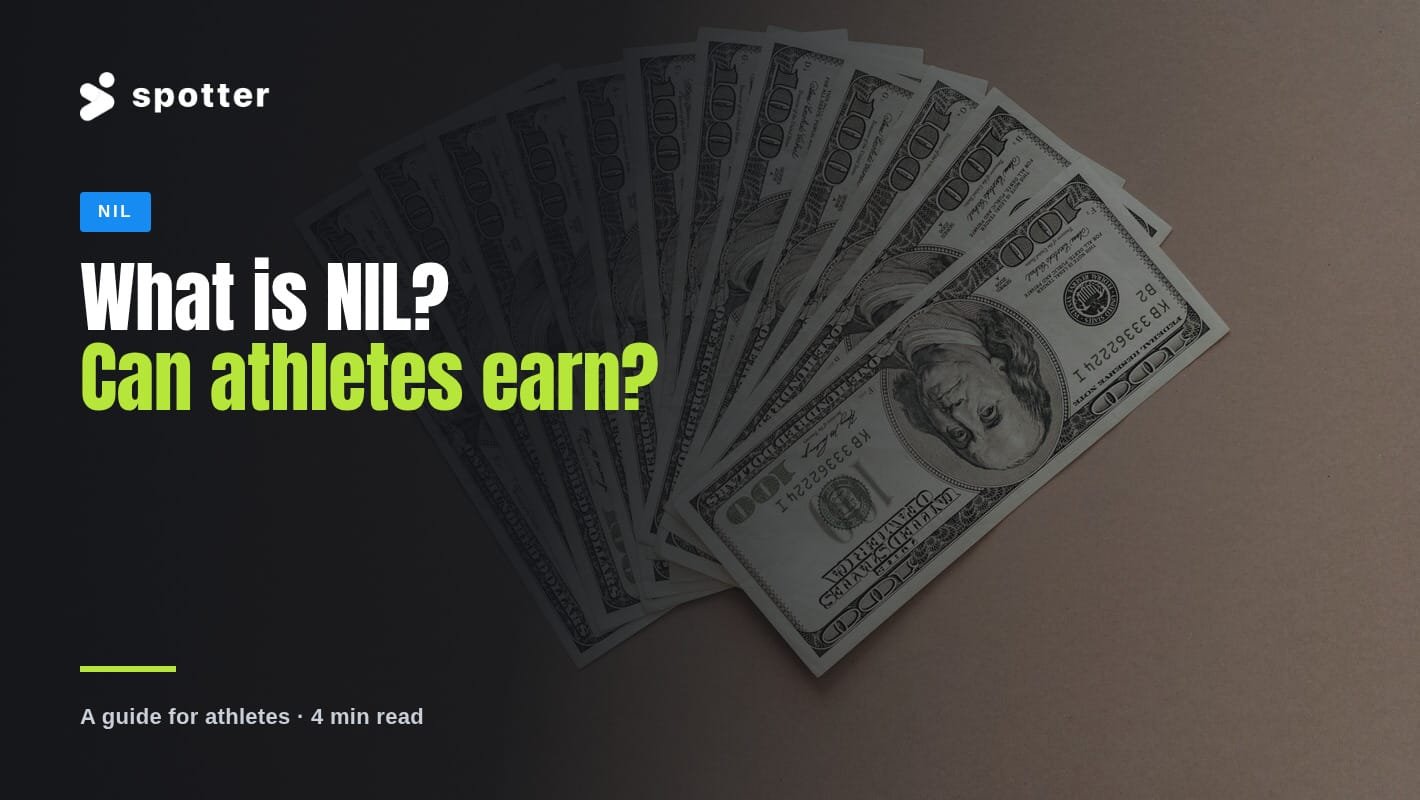
What Is NIL and Why It Matters for College Athletes
Name, Image, and Likeness, usually called NIL, gives college athletes the right to earn money from their personal brand. That can include sponsorships, paid social media posts, appearances, autograph signings, camps, and other business activities tied to who they are and the audience they have built.
This changed college sports in a major way. For years, athletes were not allowed to earn money from their visibility, even when schools, media companies, and sponsors were making significant revenue around college sports. That changed in June 2021, when the NCAA updated its rules after legal and public pressure made the old model difficult to defend.
Since then, NIL has become part of the college sports system. It has created real opportunities for athletes, but it has also introduced new complexity around recruiting, compliance, fairness, and the role of schools.
How college sports changed
Before NIL, college athletes had very limited control over the commercial value of their name and public image. In many cases, they could not accept money for endorsements or even simple promotional activity connected to their sport status.
Today, that is different. Athletes can work with brands, promote products, host camps, appear at events, and build income through their online presence. High-profile athletes in football, basketball, and gymnastics often attract the biggest deals, especially when they already have strong social media reach.
Some athletes now earn substantial amounts while still in school. Others may only have access to smaller local deals. The opportunity is real, but it is not equally distributed across all sports, schools, or regions.
How NIL works in practice
In general, NIL allows a college athlete to earn money from commercial activity tied to their identity and visibility. That usually includes:
- brand endorsements
- paid posts on social media
- public appearances
- autograph sessions
- personal camps or training sessions
- merchandise or personal business projects
The details can vary depending on state law, school rules, conference rules, and the compliance process at a specific university. That means athletes need to understand the rules that apply to their situation before signing anything.
Main restrictions athletes need to know
NIL does not mean unlimited freedom. There are still important limits. In most cases, these are the core rules:
There must be a real service provided. An athlete is usually expected to do something in exchange for payment, such as posting content, appearing at an event, or promoting a product.
Payment cannot be tied directly to athletic performance. An athlete should not be paid based on stats, wins, minutes played, or similar performance outcomes.
Deals cannot be disguised recruiting tools. NIL should not be used as a direct incentive to get an athlete to choose one school over another.
Schools usually cannot pay athletes directly through NIL. In most cases, the money comes from outside businesses, agencies, or third-party groups.
Schools may also limit deals that conflict with their own sponsorship agreements or that promote restricted categories such as gambling, alcohol, or other sensitive products.
Where the money usually comes from
NIL money can come from local businesses, national brands, alumni networks, agencies, or third-party groups often referred to as collectives. These groups are usually built to support athletes at a specific school by helping create commercial opportunities.
In practice, collectives have become an important part of the NIL system, especially at larger programs. They may organize appearances, community events, partnerships, and promotional campaigns that give athletes a way to earn income while staying within the rules that apply to their school.
What NIL means for college sports
NIL has changed the balance of college athletics. It has created more freedom for athletes and a more realistic system where players can finally benefit from the attention they help generate.
At the same time, the benefits are uneven. Athletes in major sports and major programs often have more earning power than athletes in smaller sports or lower-visibility schools. That has raised ongoing questions about fairness, access, and whether NIL has widened the gap between programs with strong financial backing and those without it.
Even with those concerns, NIL has changed how athletes, coaches, schools, and fans think about value in college sports. It is now part of recruiting, branding, and athlete development in a way that would have been difficult to imagine a few years ago.
What comes next
NIL is still evolving. Schools, lawmakers, conferences, and athletes are all trying to adjust to a system that is still taking shape. One of the biggest open questions is whether schools will eventually be allowed to play a more direct role in athlete compensation.
There is also an ongoing debate about whether college athletes should be treated more like employees in some situations. That would affect compensation, benefits, legal protections, and the structure of college sports as a whole.
For athletes and families, the practical takeaway is simple. NIL creates opportunity, but it also requires attention to contracts, rules, timing, and long-term decisions. Understanding the system matters.
Why this matters if you want to play in the U.S.
If you are a prospective student-athlete, NIL is now part of the college conversation. It should not be the only factor in choosing a school, but it is something you need to understand. Your fit, development, education, coaching environment, and long-term path still matter most.
NIL can create extra value if you are in the right environment and if you approach it in a smart way. The athletes who benefit most are usually the ones who combine performance, consistency, credibility, and a clear personal brand.
Key takeaway
NIL gives college athletes the ability to earn money from their name, image, and likeness while they are still in school. It has created real new opportunities, but it also comes with rules, uneven access, and ongoing changes that every athlete should understand before making decisions.
Related Posts
Parents
How Parents Can Help Their Child Get Recruited for College Sports
If your child wants to play college sports in the U.S., your support matters. This guide helps international parents understand their role in recruitment. What to do, what to avoid, and how to stay involved without overstepping.
Athletes
From Serbia to the NCAA: How You Can Get Recruited to Play College Basketball in the U.S.
Learn how Spotter helps talented players from Serbia get seen by real college coaches in the U.S. without agents or hidden fees.
Recruitment 101
Confused About U.S. College Sports Divisions? A Must-Read for International Athletes
Learn the differences between NCAA Division I, II, III, NAIA, and junior colleges, and find which path best fits your athletic level, academic goals, and scholarship options.
